Boat Vector Silhouette Designs: A Designer's Review
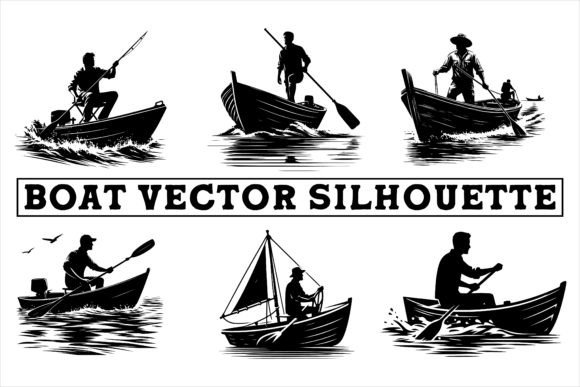
When I first pulled up the Boat Vector Silhouette Designs on my screen, my immediate reaction was one of appreciation for its clean lines. As a designer who spends hours tweaking digitized files before they ever touch fabric, I know that a good starting point is half the battle. These graphics fall under the category of Illustrations, but for us in the embroidery world, they represent potential. The mood here is distinctly nautical and serene, evoking feelings of calm waters and summer weekends. It is not overly busy, which is often where many digital assets fail when translated into thread.
The visual personality of this design is minimalist yet recognizable. In the world of machine embroidery design, simplicity often translates to durability and clarity. When you are looking at a silhouette, you are relying entirely on the outline and the fill to tell the story. There is no shading to hide behind. This particular set offers a strong shape that holds its own, making it an excellent candidate for a variety of embroidery projects. Whether you are a hobbyist looking to personalize a gift or an Etsy seller building a catalog of summer-themed items, the versatility here is palpable.
Real-World Application: The Custom Tote Bag Scenario
To truly evaluate these Boat Vector Silhouette Designs, I imagined a specific real-life scenario that many of us face: a custom order for a local beach boutique. The client wanted a run of canvas tote bags featuring a subtle, stylish boat motif. This is a common request for small shop products, especially as the warmer seasons approach.
In this context, the design shines. Because it is a vector-based silhouette, it scales well without losing its structural integrity. For a tote bag design, you need something that looks intentional and not like a sticker slapped on fabric. The clean edges of the boat allow for crisp stitching. If I were to execute this, I would likely lean towards a dense fill stitch for the body of the boat to give it weight and presence against the textured canvas. Alternatively, for a more rustic look, a wide satin stitch border with a lighter interior could work beautifully. The key is that the design does not fight the fabric; it complements it.
Imagine the finished product hanging in a seaside shop. The customer picks it up, feeling the texture of the stitches. The silhouette is clear, the thread colors are vibrant against the natural cotton, and the overall aesthetic screams "handmade quality." This is where good design assets pay off. They elevate a simple utility item into a personalized gift or a desirable piece of custom apparel and accessories.
Performance Across Different Fabrics and Items
Beyond tote bags, I see these graphics working exceptionally well on sweatshirt embroidery. A fleece or French terry fabric provides a plush background that contrasts nicely with the sharp definition of a silhouette. Placed on the left chest or as a larger back print, the boat motif becomes a statement of lifestyle. It fits perfectly into the current trend of understated, nature-inspired branding.
For those creating baby embroidery items, such as onesies or nursery wall hangings, the softness of the theme is ideal. However, caution is required. When working with tiny garments, the scale of the Boat Vector Silhouette Designs must be adjusted carefully. You do not want the details to become so small that the stitches merge into a blob. This is a universal rule for any digital embroidery file: always consider the final size relative to the stitch count and density.
I also envision these designs being used for embroidered patches. A merrowed edge patch featuring this boat silhouette would be a fantastic addition to a cap or a denim jacket. The solid shape of the vector illustration makes it easy to digitize for patch production, ensuring that the borders remain distinct and the internal details do not get lost in the manufacturing process.
Navigating Technical Challenges
While the design is strong, a professional reviewer must also look for potential pitfalls. Where should you use Boat Vector Silhouette Designs carefully? First, consider hoop size limitations. If you are working with a small hoop on a curved surface, like a structured cap, ensure the design fits without excessive re-hooping, which can lead to registration issues.
Texture is another factor. On highly textured fabrics like heavy waffle knits or looped towels, fine details in a silhouette can get swallowed up. In these cases, increasing the stitch density slightly or choosing a thicker thread might be necessary to maintain visibility. Similarly, on stretchy fabrics, the stability of the design depends heavily on your choice of stabilizer. A cut-away stabilizer is often safer for garments that will undergo frequent washing, ensuring the boat shape doesn't distort over time.
Dark fabrics present their own challenge. While silhouettes are naturally bold, you must ensure your thread colors provide enough contrast. A dark blue boat on a black sweatshirt might look sophisticated in a printable mockup, but in real life, it could disappear. Always test your color combinations physically before committing to a production run.
Enhancing Brand Value and Customer Trust
Using high-quality illustrations like these directly impacts your brand perception. When an Etsy seller or a craft business owner consistently delivers products with clean, well-executed designs, it builds customer trust. The Boat Vector Silhouette Designs offer a level of professionalism that generic clip art often lacks. They look deliberate and curated.
For commercial embroidery projects, consistency is key. If you are branding a fleet of uniforms for a marina or creating a line of holiday gifts for a corporate client, having a reliable graphic ensures that every item looks uniform. This reliability enhances the perceived value of the handmade product. Customers are willing to pay more for items that look polished and thoughtfully designed.
Furthermore, these designs are excellent for creating printable mockups for your online store. Before you even stitch a single thread, you can visualize how the boat will look on different colored shirts or bags. This helps in marketing your small shop product effectively, allowing customers to see the potential of the design before they buy.
Practical Notes for the Embroiderer
Before you dive into using these files for your next embroidery project, here are a few practical steps I recommend based on my experience:
- Test on Scrap Fabric: Always stitch out the design on a scrap piece of the actual fabric you intend to use. This reveals how the fabric texture interacts with the stitches.
- Check Thread Contrast: Verify that your chosen thread colors pop against the background material, especially for silhouette work where contrast is the main feature.
- Review Stitch Density: Ensure the density is appropriate for the fabric weight. Too dense on light fabric can cause puckering; too light on heavy fabric can look sparse.
- Confirm Hoop Size: Double-check that the design dimensions fit within your available hoop size to avoid unnecessary jumps or re-hooping.
- Inspect Small Details: Look closely at the corners and curves of the boat. Are they smooth? Do they require manual editing in your digitizing software?
- Mockup Testing: Create black and white mockups to see if the design holds up without the distraction of color. This tests the strength of the shape itself.
- Licensing Verification: Since the product description mentions growing your business, it implies commercial use is possible. However, always confirm the specific licensing terms regarding selling finished items versus selling the digital embroidery file itself. The description notes "What's file Included," but exact formats and license scopes should be verified in the store listing to ensure compliance for commercial embroidery.
In conclusion, Boat Vector Silhouette Designs offer a robust foundation for a wide array of creative endeavors. From holiday embroidery gifts to everyday custom apparel, the design's clarity and thematic appeal make it a valuable asset. By approaching it with a critical eye and following best practices for stitching and stabilization, you can transform these digital Graphics into tangible, high-quality products that resonate with customers and stand the test of time.